
Jaw Care & Knowledge
Jaw tension is rarely a jaw issue.
When exploring self-care for your jaw, I recommend expanding your thinking beyond the jaw itself. When you start to think in a whole-person perspective — your jaw, body and mind, you then tend to make more progress.
These 4 jaw knowledge and 4 jaw care articles are a great starting place and foundation to resolving TMJ issues.
The links are going to take you to tmjpaincare.com. This is a free resource I have created for you to explore self-care at home.
Articles are evidence-informed with links to relevant research. The articles also include clinical insights from my own practice as a TMJ therapist.
Jaw Knowledge
Four articles covering the big picture. Start with whichever feels most relevant.
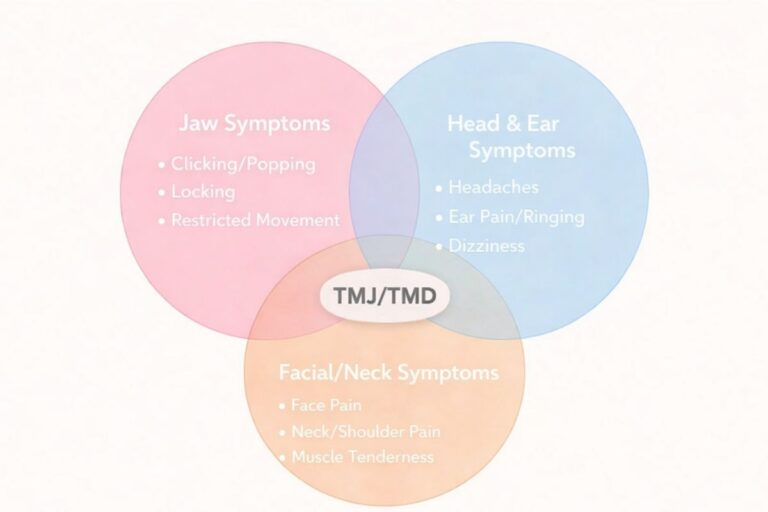
What TMJ / TMD Really Is
TMJ and TMD can sound serious, but is it really? Find out what it means and how it differs from one person to another.
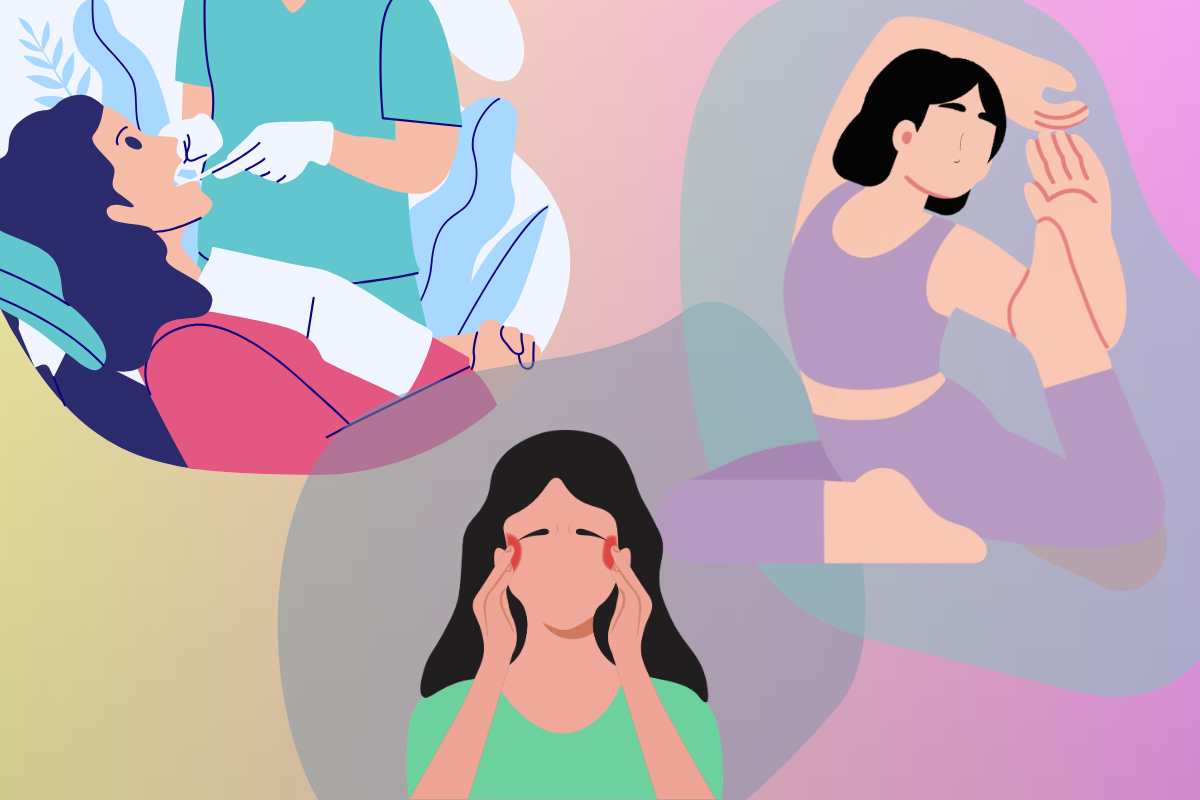
Causes of Jaw Tension
What causes TMD? Why do jaw issues begin? As a TMJ therapist, here are the 3 clear categories I see in my clinic.
The Mind & The Jaw
Why does jaw tension persist? Understanding the role of the nervous system can be the start to resolving the issue.
The Body & The Jaw
Jaw tension often goes beyond the jaw. Here we explore what connects the jaw to tension in the hips and beyond.
Jaw Care
Four practical guides to calm and release jaw tension. Begin wherever feels right.
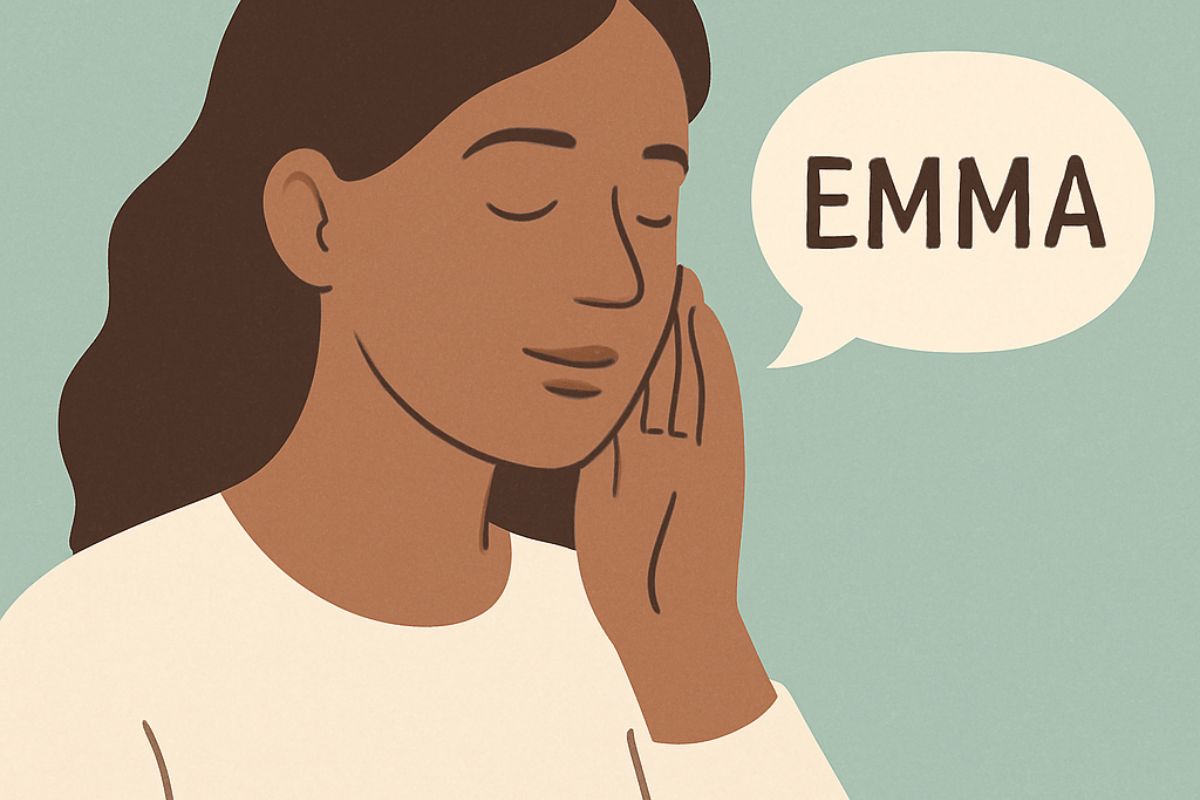
How to Unclench Your Jaw
A practical and simple technique for noticing and preventing jaw clenching during the day — without forcing it.
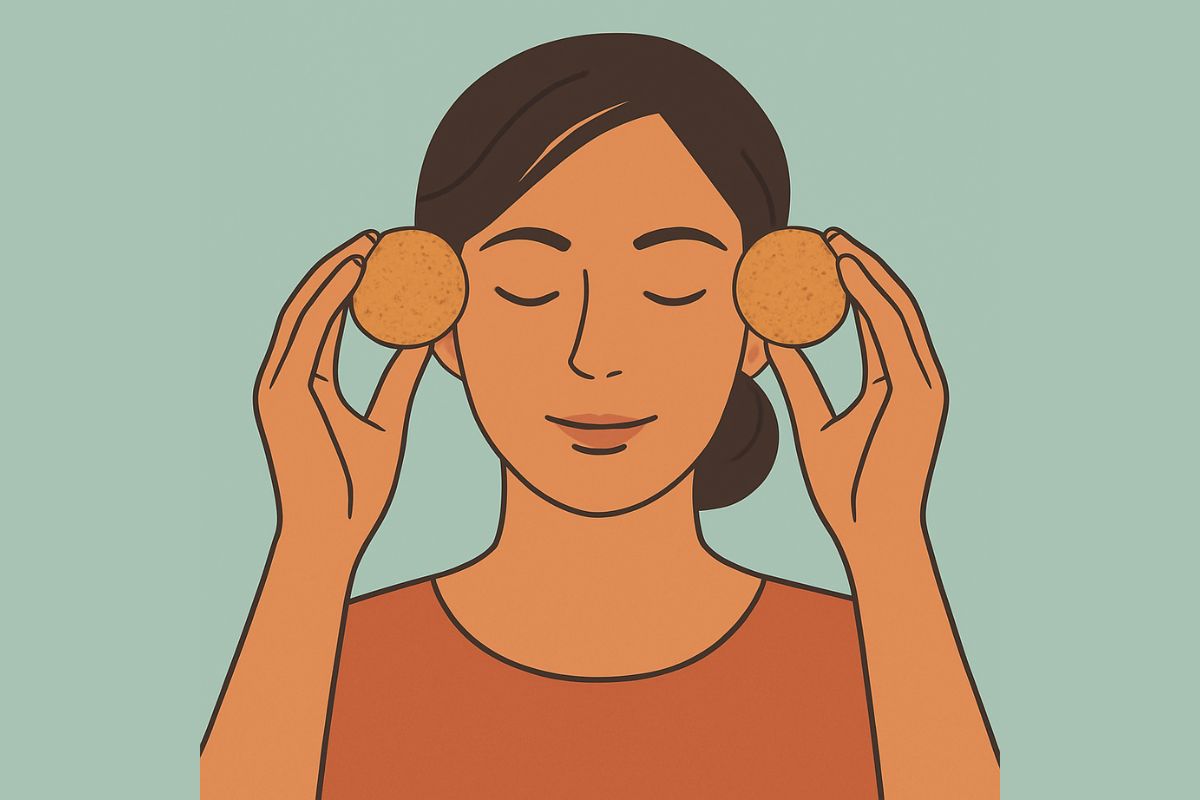
Massage the Vagus Nerve
The vagus nerve plays a key role in calming the nervous system. Learn simple techniques that may ease jaw tension from the inside out.
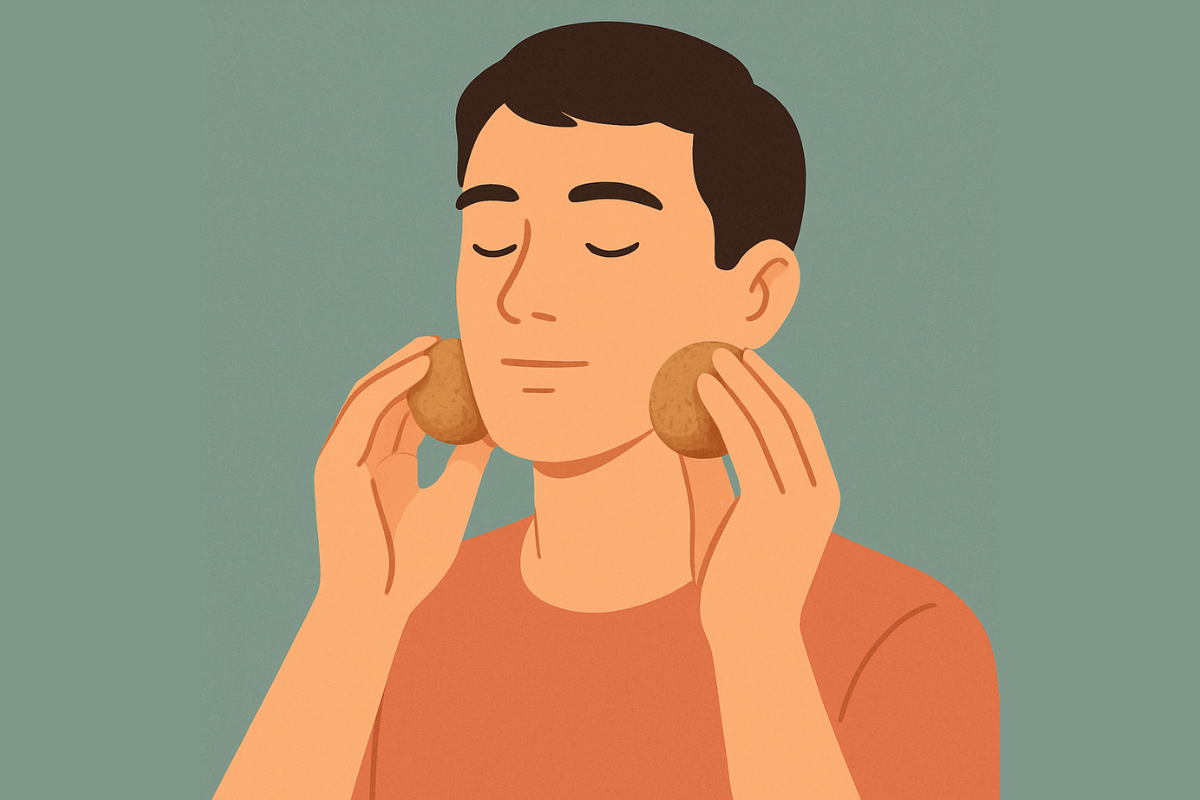
Self-Massage TMJ
A gentle guide to massaging the muscles around the jaw — not about pressure or technique, but about curiosity and kindness.
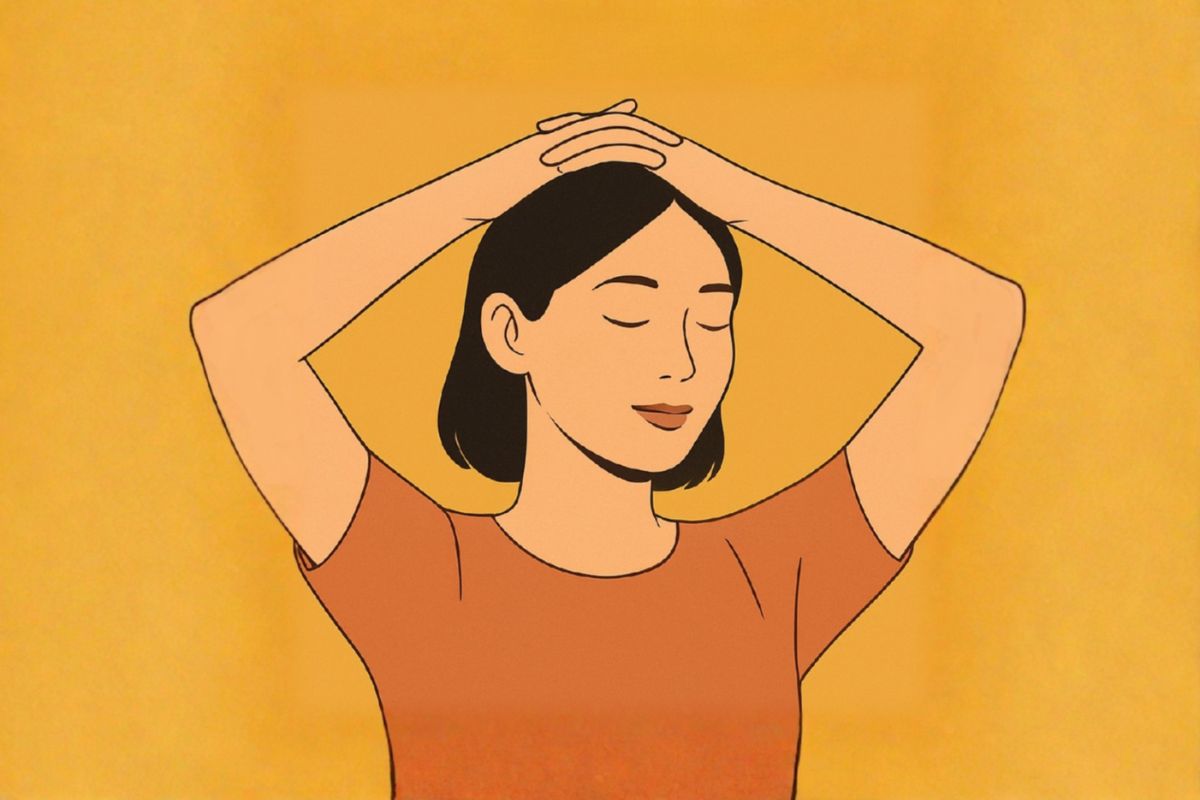
Release Neck Tension
Jaw and neck tension are closely linked. Releasing the neck can often do more for the jaw than working on it directly.
More to Explore
There are plenty more helpful self-care articles to explore at tmjpaincare.com. Here are a few of the most popular.
3 Natural Ways to Reduce Teeth Grinding During Sleep

Why TMJ Exercises Don’t Work — and 4 Natural Approaches That Do
Failed 3 Finger Test for TMJ? — Here’s What Matters More

Coming Back to Your Breath
Other Things to Consider
Self-care can take you a long way — but it isn’t the only option, and for some people it works best alongside hands-on support.
If you’d like to understand your own jaw tension more clearly, or you’re not sure where to start, I offer in-person TMJ massage in North London and online TMJ appointments for those further afield. Whether in-person or online, we begin with us both looking to make sense of your individual symptoms before tailoring our approach specifically to you.