
Myofascial Release Massage for Hypermobility (EDS & HSD)
A whole-body approach for bendy bodies and sensitive connective tissue, based in London (N13)
Having a bendy body or hypermobility can be useful, but it can sometimes come with pain and tension. When connective tissue is more elastic, joints may feel less stable, while muscles and fascia elsewhere work harder to hold things together.
Myofascial release is a gentle form of massage therapy that works on helping the body feel safe and less braced. This approach may be helpful when exercise or standard massage hasn’t helped.
Where would you like to start?
Is Myofascial Release for Hypermobility for you?
Bendy bodies, Hypermobility, EDS, and HSD explained.
Why Myofascial Release for Hypermobility?
Exploring what a whole-person approach to connective tissue tension looks like.
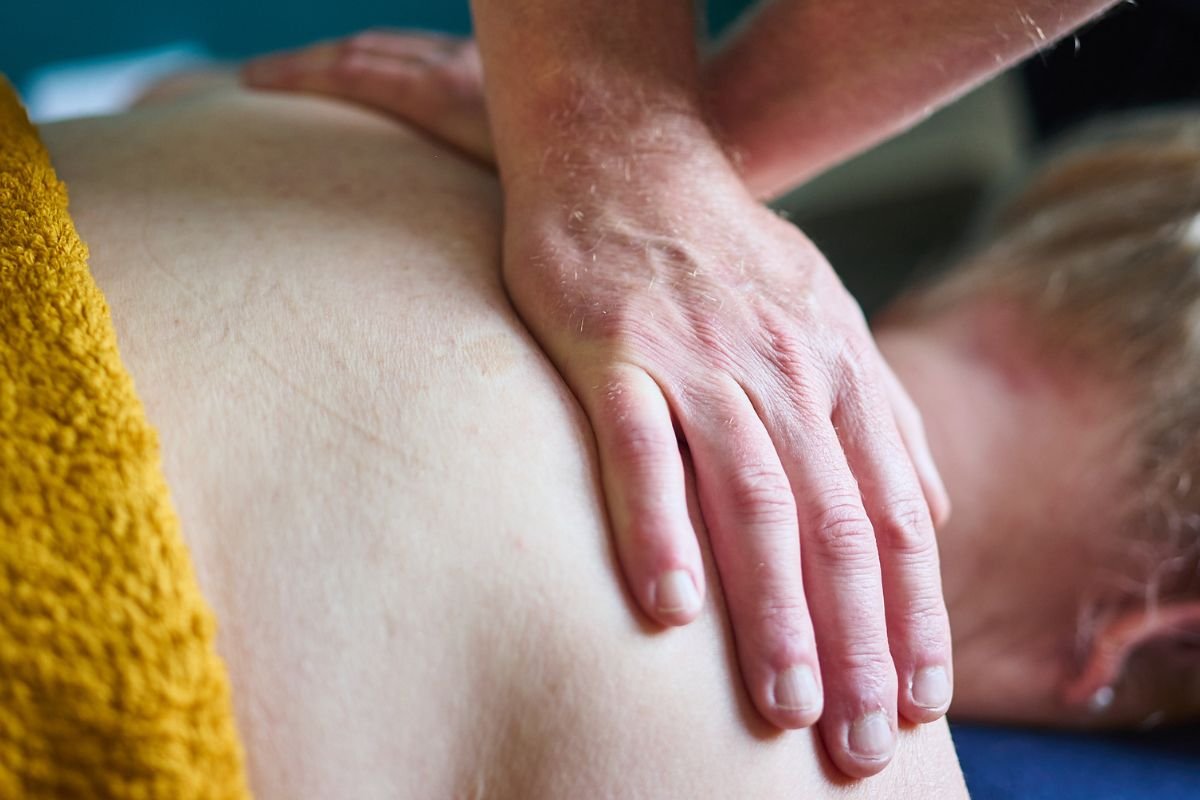
What happens during a Myofascial Release session?
How we decide together what’s appropriate for you, and what to expect on the day.

What led me to Myofascial Release for hypermobility?
The training and experience that led me to work with people with Hypermobility.

What people say about their experience.
From better movement to less pain – this is what people are sharing.

How to book and find the pricing
Ready to book or want to chat first? Appointment options, pricing, and free discovery calls.
Is Myofascial Release Massage for Hypermobility for you?
You may describe yourself as bendy, flexible, or double-jointed — either now or earlier in life. You may or may not be familiar with terms like hypermobility, HSD, or EDS.
Myofascial release for hypermobility can be considered when it is accompanied by tension, stiffness, or pain (symptomatic hypermobility). This is whether or not you have a formal diagnosis. Living with ongoing pain, tension, or a sense that your body works harder to hold itself together is enough.
People experience hypermobility and connective tissue sensitivity in different ways. It is as valid to recognise one or two of the following symptoms as it is to recognise several:

Joint stability & movement
- Loose or unstable joints
- Jaw pain, clicking or popping
- Joints that slip, lock, or feel unreliable
- Reduced spatial awareness (proprioception)

Pain, tension & fatigue
- Widespread muscle or joint pain
- Muscle tension or guarding
- Ongoing or extreme fatigue
- Slow recovery after activity

Everyday function & internal systems
- Digestive symptoms (bloating, reflux, IBS)
- Dizziness, palpitations, or light-headedness
- Sensitivity to posture, heat, or exertion
- Pelvic floor symptoms or core instability

Skin & connective tissue signs
- Soft or velvety skin
- Easy bruising
- Stretchy or fragile skin
- Slow or difficult healing

Why Myofascial Release for Hypermobility?
When you have hypermobility accompanied with stiffness or pain , it’s often not helpful to push, stretch, or force change. What tends to matter more is how safely the body feels supported, and how carefully pressure is applied.
Myofascial release uses a listening touch. Sustained holds and measured pressure help your body feel safe and respond with a letting go of tension. This way of working is often described as myofascial release for EDS, where connective tissue sensitivity and nervous system load influence how pain and tension are held.
A whole-person approach to myofascial release means:
- Working with the nervous system, not against it
- Using slow, sustained holds rather than forceful techniques
- Working collaboratively, observing how your body responds
- Treating the body as a connected whole, not isolated joints
Whether you’ve lived with these symptoms for years or are only just starting to recognise them, our approach stays the same: rather than forcing release, we create a sense of safety and openness. When your body feels safe, the tissue lets go.
What happens during a Myofascial Release session?
Sessions are unhurried and collaborative.
Before any hands-on work, we take time to talk through what you’re experiencing, what you’ve already tried, and how your body tends to respond. This helps us decide together what feels appropriate, and sets the pace for the session.
Treatment may include a combination of:
- Soft-tissue techniques using sustained holds and measured pressure
- Listening touch, guided by how your body responds in the moment
- Working across different areas of the body, not just where symptoms are felt
- Simple observations or self-care suggestions to support you at home
Most people attend more than one session, often spaced about a week apart initially. How many sessions are helpful varies from person to person, and we review this together as things evolve. Throughout, my aim is to help you better understand your body and feel more confident supporting it outside the treatment room.
What led me to Myofascial Release for hypermobility
My work in massage therapy for hypermobility and EDS grew alongside my wider clinical training, including my BTEC Level 6 qualification and advanced myofascial release work. I had an awareness of hypermobility and connective tissue sensitivity throughout my training, but it became more meaningful through hands-on experience.
Alongside this, I continue to develop my understanding through professional education, including active participation in the ECHO programme run by the Ehlers-Danlos Society, which supports clinician learning around hypermobility and EDS.
As I worked with more people with persistent pain — particularly those with jaw pain and TMJ-related issues — I began to notice consistent patterns. Tissues often behaved differently: pressure needed to be more measured, responses were more variable, and pain was frequently a central feature, even when movement or flexibility looked good on the surface.
Over time, this shaped how I work. For hypermobile bodies, how pressure is applied often matters as much as where. Stability frequently comes from muscles and fascia working harder, and the nervous system can remain on high alert — which helps explain why pain and tension are such common experiences.


What people say about their experience
My aim is that sessions feel supportive and collaborative, and that over time they help reduce pain and improve how your body feels and functions. People who visit me for hypermobility massage often describe noticing things like:
- Feeling properly listened to and taken seriously
- Reduced pain or tension, often across more than one area
- Improvements in movement or everyday function
- A greater sense of ease and confidence in their body
- Support that looks beyond symptoms alone
Everyone’s experience is different, and changes don’t always happen all at once. For most people, progress feels gradual — with a growing sense of trust in how their body responds.
Below are some Google review excerpts from people I’ve worked with, which give a sense of what to expect both during sessions and over time.
How to book and find the pricing
You can view current treatment options and pricing below, or book an appointment directly.
If you’re unsure about treatment, a free telephone discovery call is available — it’s a great way to explore if this approach is right for you.
Frequently asked questions
These are questions I’m often asked about myofascial release and massage therapy for hypermobility and EDS. If something isn’t covered here, please feel free to get in touch.
Massage can be helpful for hypermobility, but the type of massage matters. Deep tissue or vigorous sports massage can sometimes feel too much for sensitive connective tissue and may leave you feeling more braced afterwards. A slower, more measured approach — like myofascial release — tends to work better for hypermobile bodies because it works with the nervous system rather than pushing through it.
No. Many people I work with don’t have a formal diagnosis. If you recognise yourself as bendy, previously very flexible, or living with ongoing pain or tension, that’s enough to explore whether this approach feels right.
Yes, when it’s applied in a measured, responsive way. The work is slow, non-forceful, and guided by how your body responds in the moment, rather than pushing range or stretching tissues.
No. Myofascial release is not about working through pain. Pressure is measured and adjusted throughout the session, with the aim of helping your system feel safe and supported.
The focus isn’t on correcting or fixing joints. Instead, the work looks at whole-body support, tension patterns, and how your nervous system and connective tissues are responding over time.
This varies from person to person. Some people notice changes within a few sessions, while others prefer a slower, more gradual approach. We review this together as things evolve.
Often, yes. Myofascial release can be helpful when other approaches haven’t fully settled symptoms, particularly where pain, guarding, or sensitivity are present. It’s not a replacement for exercise, but a different way of supporting the system.
That’s very common. Many people with hypermobility experience pain in more than one area. Sessions are shaped around the whole picture, rather than focusing on one body part in isolation.
If this doesn't quite fit
If your symptoms overlap with other areas, change over time, or don’t fit neatly into one category, this page explains the main pain issues I work with and may help you decide where to begin.